
 EDITORIAL CONCEPT · TEMPORARY IMAGE
Private Label Home Fragrance Packaging: A Buyer’s Guide
A brand name can appear on a reed diffuser, room spray or refill pack, yet each is a different combination of liquid, container, closure, application mechanism, label and secondary packaging. Describe the finished saleable unit before commissioning renders. This guide teaches buyer preparation; whether LAEYO supplies each component is a separate question for the actual OEM service.
Educational buying guidance only. Product availability, compatibility, test evidence and LAEYO-specific scope must be confirmed for the actual project.
Create a component-level packaging system
What physical pieces belong to one unit?
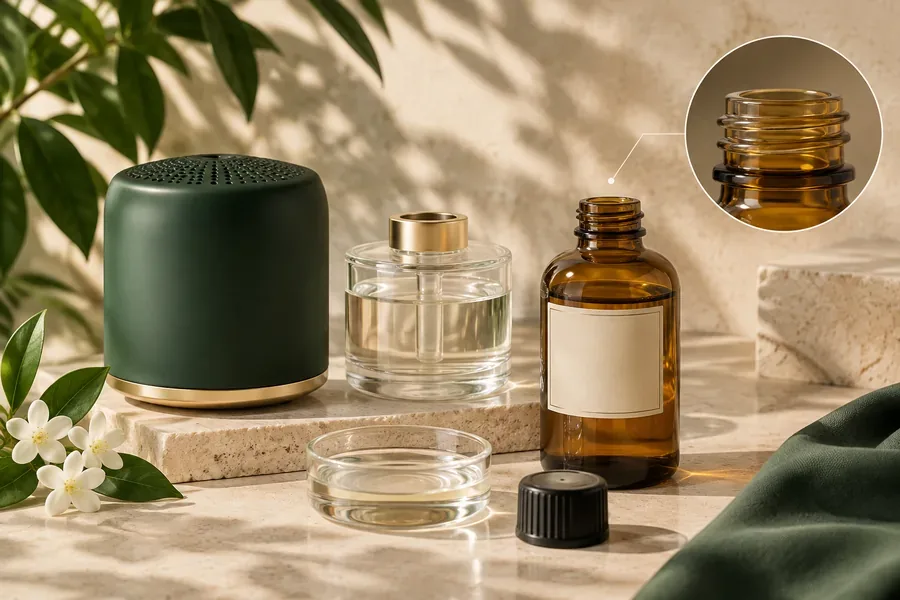
List primary pack, closure or actuator, seal or liner, label, any insert and outer carton independently. Each part can have its own supplier, material, tooling, contact function and approval version. A one-line “custom packaging” specification hides who must actually supply a working assembly and who will check the filled combination.
Brand knows what needs specification and pricing.
Decide who supplies and approves each part
Is this a turnkey pack or a mixed-supplier assembly?
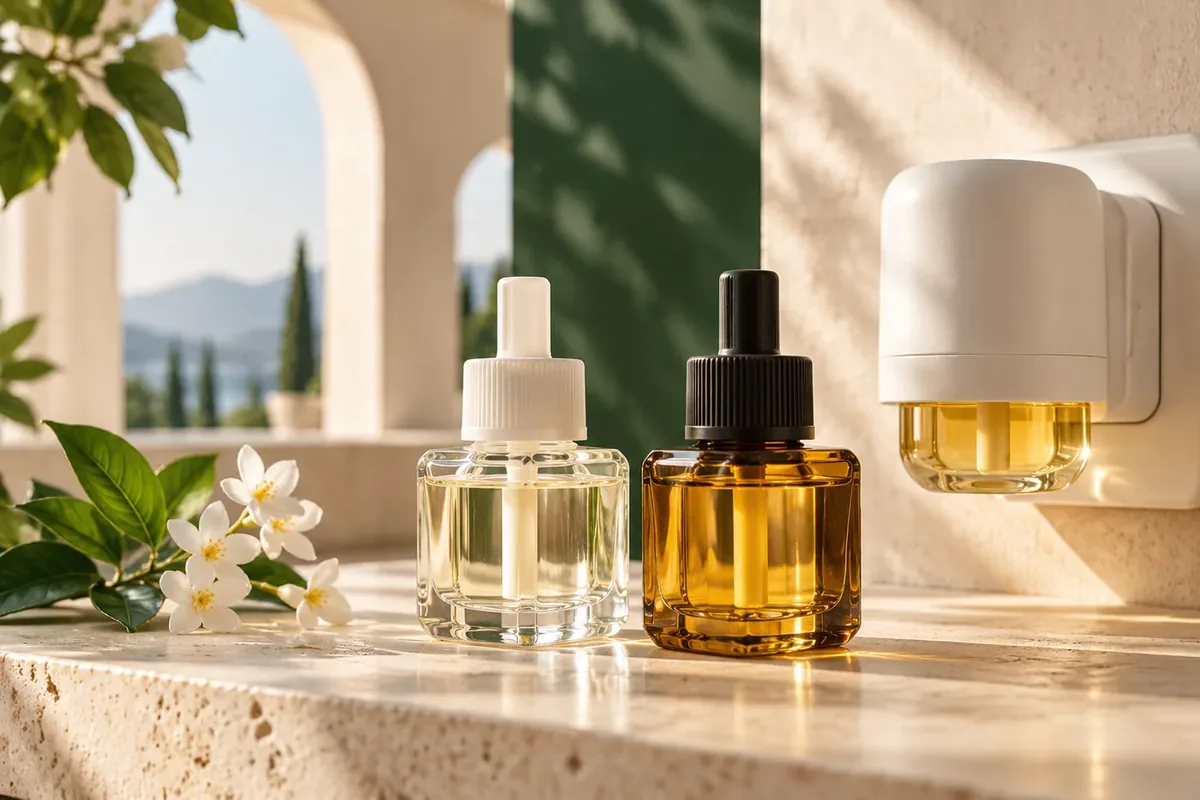
A third-party bottle supplier, brand-supplied artwork and contracted filler can all participate in one product without a single party manufacturing everything. Distinguish component sourcing, incoming approval, filling, final pack assembly and release. Ask the actual project owner to confirm responsibilities rather than declaring “one-stop in-house manufacturing” from a design mockup.
Buyer sees missing owners before ordering tooling.
Verify container and closure fit before styling
What makes a beautiful bottle technically viable?

A closure that looks right in a render may fail on a real neck finish or with a selected liquid. Material contact, sealing, dispensing, transport and storage can all influence the physical design. A successful photograph cannot replace a filled-pack compatibility or leakage assessment where one is necessary. Product-specific specifications belong to the relevant Product page.
Buyer can request the correct physical proof before mass print.
Prepare artwork for approval rather than aesthetics alone
Which graphics become real production files?
A mood board describes style; final artwork requires the actual dieline, printable area, barcodes if applicable, languages, warnings and substrate/finish assumptions. Label performance can depend on the container and storage environment. The brand should separate creative approval from regulatory and production approval so no one assumes a gorgeous screen proof is a shipping-ready label.
Buyer requests a realistic approved print package.
Choose visual differentiation that a supply chain can deliver
How can two brands using similar bottles look distinct?
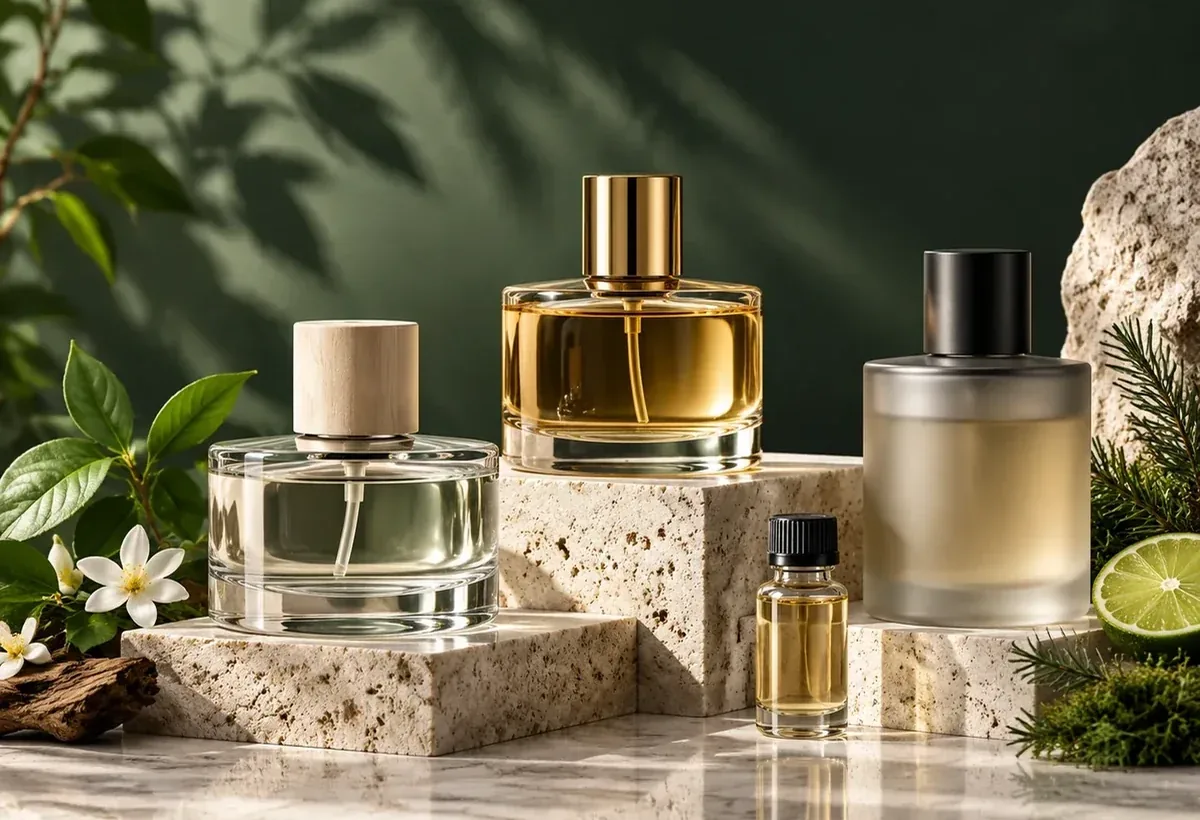
Packaging differentiation may come from silhouette, label architecture, color, texture, cap details, secondary pack and cohesive collection logic. Not every custom-looking concept needs exclusive mold tooling, and not every off-the-shelf bottle gives a unique appearance. Compare design ambition against actual availability and rights. Avoid claiming a proprietary mold exists without evidence.
Brand finds an achievable design distinction rather than a fake exclusivity claim.
Separate brand ownership from packaging supply
Who owns artwork, mold files and new product results?
Ownership of the trademark, commissioned artwork, tooling design and fragrance formula can follow different agreements. A supplier’s existing patent does not automatically confer ownership of your new formula; paying for a mold does not alone answer who may use it or retain files. Clarify pre-existing assets, new deliverables, licences, disclosure and reuse in the actual project agreement.
Buyer identifies contract questions without legal overclaims.
Review the claims printed on your pack
Can a label safely say “natural”, “non-toxic” or “long-lasting”?
Copy and packaging claims should reflect an identifiable product, actual composition and evidence appropriate to the market and intended use. A slogan is not a test result and a supplier draft is not automatically regulator-approved. If the product is a chemical mixture, relevant hazard communications and duties may differ by jurisdiction. The detailed regulatory framework belongs to the Testing & Compliance guide.
Buyer separates design copy from substantiated facts.
Understand the real commercial cost drivers
What affects the first-order pack more than label design?
Packaging cost is not just a quoted bottle price. Tooling, component source, printing method, unit count, packing method, inspection, shipping and re-order constraints may all matter. Avoid presenting universal MOQs, “free packaging design” or fixed launch timing. Request a breakdown by component and responsibility for the actual approved supply unit.
Buyer can compare like-for-like packaging quotations.
Use prototypes to approve the correct thing
Does the sample prove print color or the complete filled pack?
A decorative mockup is useful for positioning; a printed proof checks graphics; a filled-pack trial addresses a physical configuration. These objects are not substitutes. The actual sampling service owner defines what can be made, billed and approved. Record version, intended test and approval signoff; do not call concept photography “production sample approved.”
Buyer avoids premature pack release.
Turn brand ideas into a first order specification
Define the form and target market, the finished pack components, likely sales unit, available artwork revision, a quantity range if known and a preferred contact. Identify which components remain undecided. The supplier can then say which work and evidence are needed, rather than giving a price for a product that exists only in a rendering.
Check evidence behind each sourcing recommendation
Use product-specific documents, relevant original guidance and confirmed market requirements when evaluating a proposed fragrance format or supplier.
Explore packaging research with original source material
Link only genuine articles that show a tested or clearly sourced decision method and point to original references. Keep the buyer-facing topic guide distinct from an OEM packaging service sales pitch. A related Product page may be linked when it actually exists and has truthful product content. The latest/related block cannot manufacture article dates or titles.
Can I launch a private-label diffuser with a stock bottle?
Potentially, subject to actual availability, physical compatibility, artwork and market requirements; a stock vessel alone does not establish a completed product.
How can a brand stand out with the same bottle shape as competitors?
Consider distinctive graphic systems, materials, finishes, closures and collection architecture while respecting design rights and actual sourcing feasibility.
Does LAEYO manufacture every packaging component in-house?
That cannot be inferred from a design guide. Actual suppliers, filling and assembly responsibilities require project-specific confirmation.
Who owns a custom fragrance formula developed for my brand?
Ownership and use rights are not automatic; distinguish background IP, commissioned outputs and actual agreement terms.
Is an AI product render a valid packaging prototype?
No. It can communicate a design direction but cannot prove the physical pack, color matching, fit or manufacturability.
Do I need a custom mold to create a differentiated range?
Not necessarily. Evaluate design uniqueness against actual off-the-shelf options, custom finishing and the cost or rights of tooling.
What should be approved before printing labels?
Actual dieline, final artwork revision, language, applicable claims, required warnings and the responsible signoff.
Can I label all home fragrances as non-toxic?
Not without a suitably supported and legally reviewed claim for the actual product and market.
Do I own mold files if I paid a tooling fee?
Not automatically. Access, ownership, permitted reuse, possession and maintenance should be explicit in the actual agreement.
Does a bottle sample establish liquid compatibility?
No. Relevant filled-contact and closure performance may require separate examination under actual conditions.
Is a private-label packaging guide the same as an OEM packaging quote?
No. This guide prepares a decision; the OEM service and quotation must reflect verified supplier capabilities and costs.
Can I enquire before I have complete artwork and packaging CAD?
Yes. Share the format, target market and your primary component or design question; later files can follow when relevant.
Discuss the packaging decision that blocks your launch
What one specific packaging question should I send?
A brand can begin with its product form, target market and the most important packaging unknown: component supply, bottle–closure fit, label content, artwork rights or finished-pack cost structure. Missing CAD or a final barcode should not prevent an initial enquiry. Use only the existing Contact route; there is no new artwork upload portal in this plan.
Copying this brief does not submit an enquiry. Use the existing LAEYO Contact page for the actual request.