Scent sample
Description and sensory decision; not a package validation

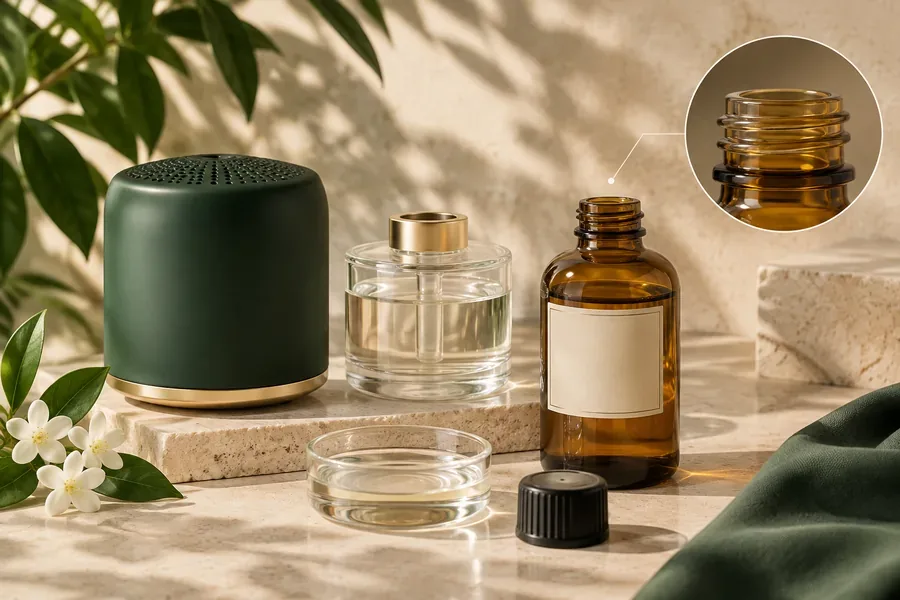 CONCEPT VISUAL
A fragrance evaluation vial may be perfect for comparing olfactive options while telling very little about a pump, bottle liner or device reservoir. A test-filled vessel is more relevant to an assembly question but may not carry final graphics. A pre-production pack demonstrates closer physical and visual correspondence but still needs its own documented approval conditions. Do not imply every project progresses through the same mandatory number of rounds.
You can begin without a final formula, full artwork or a purchase order. No free samples, automatic fee credits or guaranteed dispatch timeline are implied.
Description and sensory decision; not a package validation
Specific material/device and conditions; not a universal compatibility claim
Proposed release version and approved artwork/supply unit; not shipment acceptance by itself
Samples should be named by actual physical object, composition or packaging revision and issue date where available—not only by a creative scent name. The buyer should retain a way to link their comments to the specific bottle, cartridge, liquid or mock-up received. A change in formulation, filling unit, pump or contact material can make an earlier evaluation limited for the new product. This is a clear human-readable sample reference, not a new software lifecycle.
Concentrate, finished liquid, empty part or filled assembly
Reference number or an actual agreed project identifier
Intended use, comparison set, observed sample condition
Ask who will evaluate the sample, under what conditions and against what expectation. For scent perception, a controlled comparison is more helpful than “smells good”. For a reservoir or seal issue, a project-specific method and representative assembly matter. For packaging, dimensions, application and print legibility can be assessed independently. A subjective note, a test result and a purchase approval must be recorded as different things.
“Does version B meet our target olfactive profile under the stated conditions?”
Recorded sensory or technical finding, with person/date if appropriate
Buyer-defined criterion or issuer’s actual test conclusion—do not invent Pass
For an equipment-driven refill, a generic fragrance vial does not establish cartridge geometry, leak resistance, pumping, atomization or material compatibility. If a buyer has an installed system, identify its actual model, contact components and operation conditions. If it is a new device concept, say which details are not yet settled. A manufacturer cannot responsibly guarantee third-party compatibility based on the silhouette of a cartridge or a product name.
Make/model, connector or reservoir reference if lawful to share
Actual mixture, seals and wetted surfaces
Relevant leakage, delivery, material or residue question
For an installed system, provide the exact model or a representative authorised component if available. Any compatibility assessment must be restricted to the agreed liquid, hardware and test conditions.
A buyer’s sensory feedback, an internal project observation and an independent laboratory test have different origins and limitations. The page can explain how each should be read; it cannot turn internal notes into an accredited report or guarantee a target market’s product approval. For any claimed measurement, identify the tested specimen, conditions, date, method and issuer. The decision to accept a sample should cite the evidence actually available and any unresolved questions.
Subjective intended-use acceptance for a specified sample
Declared internal observation under defined conditions
A particular signed or authorised result with scope and source
Buyer sensory comment ≠ LAEYO product review ≠ independent testing result.
When a brand requests an adjustment, name the issue and the altered variable: olfactive profile, finished liquid medium, a package contact component or artwork. Keep the preceding sample as a reference, but do not say a later version automatically inherits its performance evidence. A small scent note change might call for sensory review; a change to liquid or seal may require a different assessment. The necessary work and cost should be agreed, not assumed to be included indefinitely.
What was modified and why
Which prior result still pertains to the old sample
Which new observation or document must address the changed factor
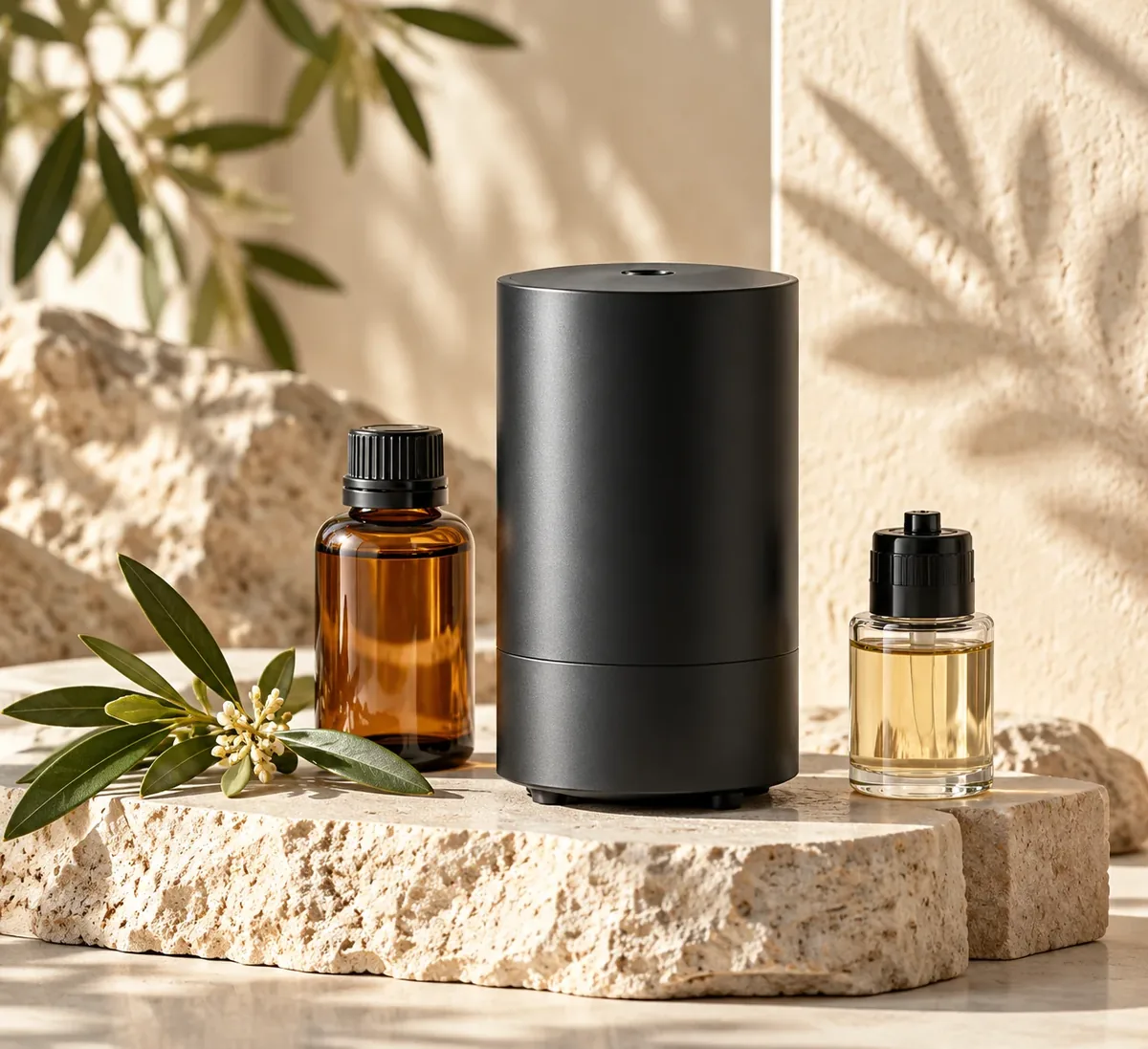
Sampling can involve development work, physical units, packaging prototypes, external tests, courier charges, customs documentation or repeat iterations. The price, deduction policy, revision allowance and sample lead time cannot be asserted for all orders without current sales policy. International sample freight is a separate real-world variable, not automatically free. A clear first quote should say what is included, excluded and conditional for the actual scope.
Actual written quotation, payment and potential credit terms if agreed
What is included and what needs separate approval
Charge, destination, dangerous goods restrictions if applicable, and responsibility
A brand owner may approve the scent impression while technical staff still need to evaluate the liquid or pack. Artwork sign-off cannot establish chemical stability, and a LAEYO-provided sample does not itself certify market readiness. Clarify who is authorized to accept the sensory, physical, regulatory and commercial parts of the project. A simple project approval table is sufficient; this does not justify a new workflow engine or mandatory approval portal.
Scent direction, appearance and product brief
Relevant test method, sample and evidence scope
Actual agreed specification, pricing and order terms

Consider three hypothetical requests. A new room fragrance brand may need two scent directions and a sensory comparison. A refill buyer with installed equipment may need a representative filled container and a named interface test question. A premium gift-set team may need packaging fit and print proof before any multi-unit commercial order. These are design demonstrations only; they do not represent previous LAEYO orders, test passes, customers or available production lines.
Select an olfactive evaluation sample and reviewer expectations
Identify real device and material reference before technical trial
Separate empty pack proof from filled-product evaluation
Hypothetical sample requests — illustrations for buyer planning, not evidence of LAEYO client outcomes.
When the correct sample has genuinely been accepted, the handoff should identify the sample revision, product form and physical supply unit, signed-off artwork or pack references where appropriate, accepted observations, unresolved tests and commercial decisions still required. A sample approval is not an automatic production order or warranty for every later batch. Production planning starts only after the actual parties confirm the terms and responsibilities.
Accepted actual sample identifier and scope
Scent, liquid, container, artwork—each separately as applicable
Tests, documents, quantities, delivery and price still requiring agreement
Approved physical reference, if genuinely agreed: [actual sample and revision]. Approved for: [sensory / package appearance / defined evaluation]. Still open: [tests / terms / production configuration].
Use the FAQ to resolve practical sample identity, revision, testing and fee questions, not to repeat the entire service page. Answers are editorial hypotheses until actual sales policy is confirmed. Do not promise free samples, automatic fee credits, unlimited revision cycles or an international delivery date.
A scent sample evaluates an olfactive direction; a prototype may also address a specific physical container, liquid interface or production-reference question.
Often the first discussion can begin without final packaging, but physical fit or stability questions eventually require the real intended components.
Start with the product format, intended use and the single decision the sample should answer. Add a real sample or device reference if available; a full brief is optional (see `#sampling-contact`).
Do not assume so. Ask for the charge for the agreed specimen and work, and whether any credit against a later order is explicitly included in the current quotation.
Not automatically. Ask for a separate international freight confirmation against your destination, the actual shipment contents and applicable transport restrictions.
Confirm the number of rounds included in the actual quote, the scope of each change and how additional work affects charge and preparation time.
No. Evidence must match the actual device, liquid revision, contact materials and test conditions.
Discuss the necessary non-confidential sample evidence and contractual access arrangements without assuming unrestricted disclosure.
It helps visual review but cannot prove actual component fit, filled-product behavior or print outcome.
Approval depends on its purpose; brand, technical, regulatory and commercial decisions can be separate.
No. The commercial specification, order, manufacturing scope and terms need separate confirmation.
State exactly what changed and determine which earlier observations still apply and what needs additional review. **发布/SEO说明**:12 个问题按实际买家决策排列,前台可用原生 `<details><summary>…` 或展开文本;问题和短答在初始 HTML 内可抓取、移动端可访问。Google 2026 年 FAQ 富结果停止展示,因此不得把 FAQ Rich Results 列为本页绩效承诺,不创建额外FAQ管理系统。 —
Answers are based on the supplied page plan. Project-specific scope, pricing, compatibility and compliance must be confirmed against the actual project and original evidence.
Name the product form, what you want the sample to determine and any useful reference you already possess. Add the target market and preferred reply channel if available. You do not need to upload proprietary formulas, CAD drawings or a final PO to start. Ask which prototype can realistically be discussed, which evidence is needed and what the sample terms would be for your specific project.
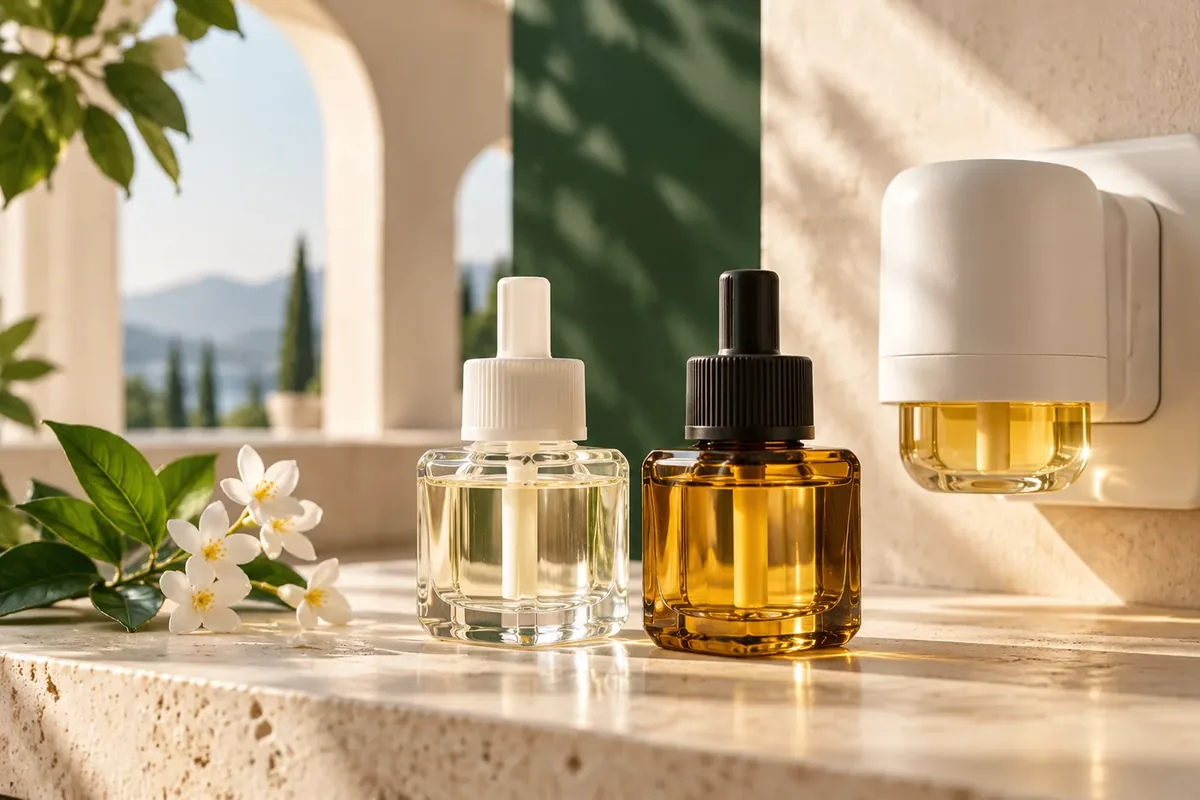
You do not need to provide every technical drawing, final quantity or confidential formula before an initial discussion. Share only the project context and reference you are comfortable disclosing.
We are developing [fragrance product or refill] for [intended use]. The first sample should help us decide [scent direction / material fit / packaging appearance]. We can share [reference, if any]. What prototype and terms could be considered for this project? Please reply via [contact].
Copying this brief does not submit an enquiry. Use the existing LAEYO Contact page for the actual request.
Each specialist page owns a distinct buyer decision. Move to the next route only when it matches the question your project needs to resolve.
Carry an accepted sample reference into a first order or repeat-supply discussion.
Production & Reorders ↗The four pages share the same navigation and Contact route. Their project scope, sample availability, packaging responsibilities, production terms and evidence remain subject to actual confirmation.