

Product Selection Guides
Choose around intended use, release method, maintenance and replacement—not scent preference alone.
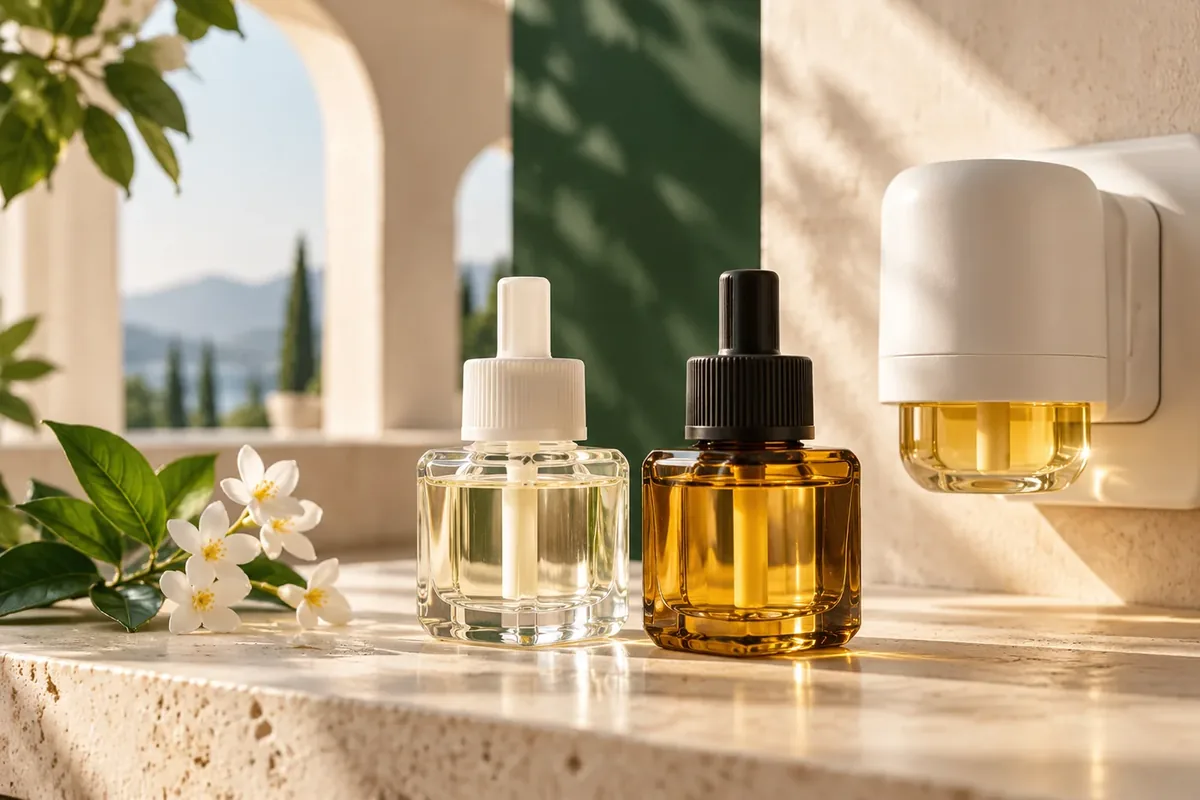
- Passive vs. device-based formats
- Home, hotel and commercial use
- Range planning without duplicate formats
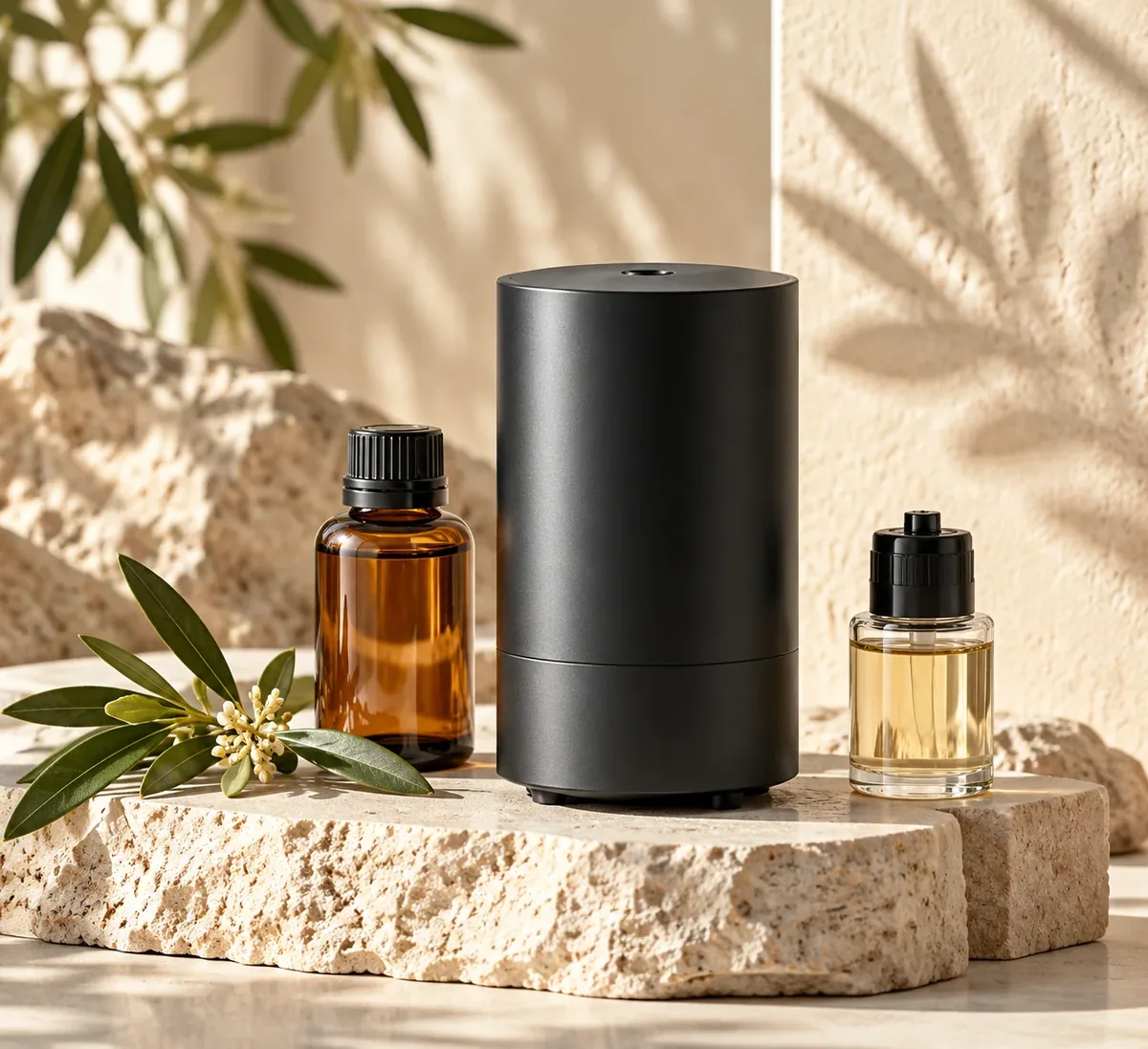
Make better sourcing decisions for home and commercial fragrance projects. Compare product formats, diffuser refill requirements, private-label packaging and the documents that matter before sampling or supplier selection.
Guides explain sourcing considerations; LAEYO-specific production scope, compatibility and documents are confirmed for each project.
Choose the decision you need to make now. You do not need to read every guide or finalize every specification before starting a conversation.
Use these collections to examine product choices, refill requirements, packaging decisions and evidence before committing to a sourcing direction.

Choose around intended use, release method, maintenance and replacement—not scent preference alone.

Understand the relationship between device design, current medium, contact materials and container connection.

Bring the product concept, liquid or format, contact materials, closure, label and sample decisions together.
Understand which record answers which question, and what its sample, issuer, date and market scope actually cover.
A fragrance format should be selected around its release method, intended environment, refill or replacement pattern and material-contact requirements—not scent preference alone.

Check the heat source and operating conditions, intended medium, container and relevant material contact.
Review the device design, liquid characteristics, contact materials and operating requirements for the named model.
Consider the liquid, reed material, vessel opening, evaporation context and replacement approach together.
Check the spray system, intended application surface, packaging and applicable product documentation.
Choose the release method, use environment and maintenance or replenishment pattern first. Then refine the scent direction and specification. A shared scent concept does not mean one finished liquid can be used across every system.
Refill suitability is project-specific. Device design, current liquid medium, container connection, contacted materials and intended operating conditions can all affect the review.

Share the brand and model if known, or a clear photo of the device and its refill connection.
Identify the existing refill or liquid reference where available, plus the parts that may contact the medium.
Note the bottle, neck, closure, pack format and intended destination or use conditions if known.
A photo can help begin an initial discussion, but it does not establish compatibility. Any compatibility conclusion requires evidence tied to the specific device, medium, materials and conditions.
A private-label fragrance concept needs the intended liquid or format, contact materials, closure and label decisions to be considered together. Visual branding alone does not establish packaging feasibility or rights.

A restrained bottle and label direction for a refill-led brand concept.

Coordinate the scent concept, vessel, outer presentation and brand language.

Plan the pack around handling, replenishment and supply responsibilities.
Shared bottle formats can be differentiated through scent direction, visual language and labeling. Exclusive designs, formulas and project rights must be agreed in the relevant written terms; do not infer ownership or market compliance from a custom-label concept alone.
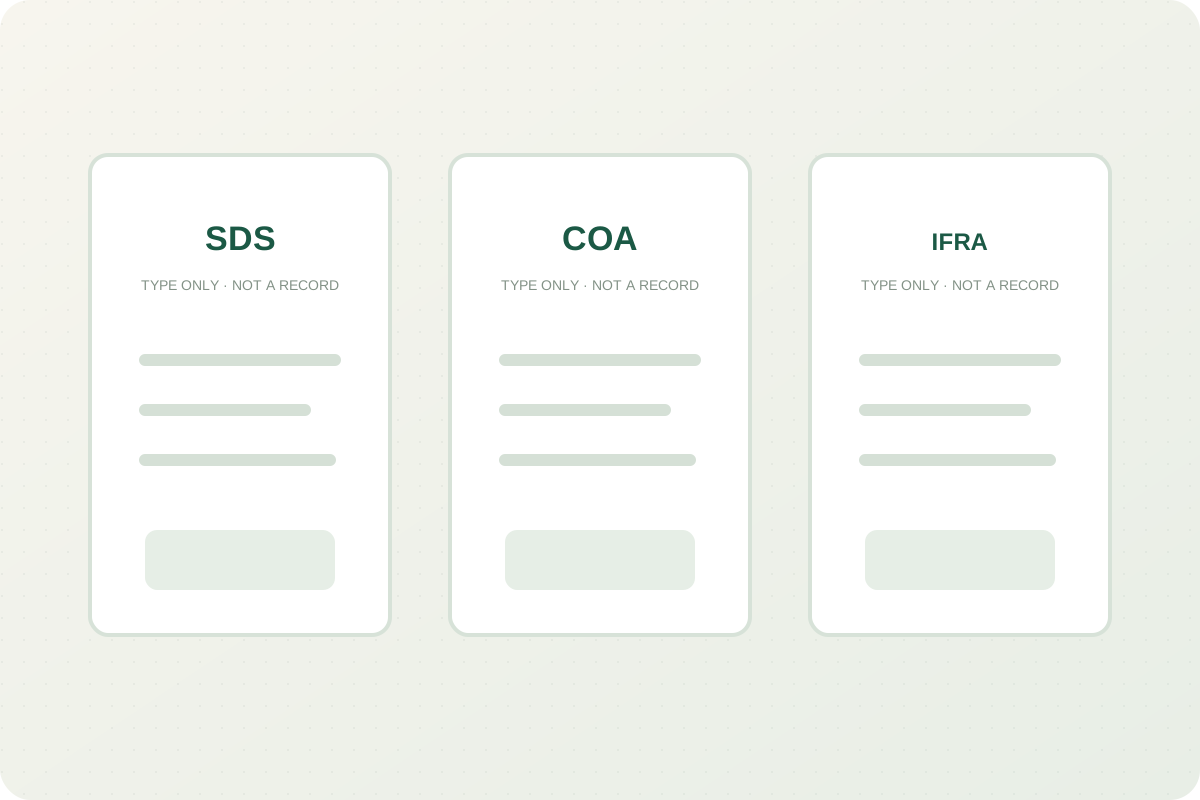
Documents and test results answer different questions. Confirm the named sample or material, issuer, purpose, version, market conditions and date before relying on a record for a fragrance sourcing decision.
Provides safety information for a named substance or mixture. It does not automatically establish device compatibility or approval for every finished product and market.
Check: material identity · version · supplier/issuer · intended handlingRelates to a specified material, sample or batch and the fields defined by that record. It is not a universal product approval.
Check: tested object · batch/reference · specifications · date · issuerMust be read for the named fragrance, intended use category and applicable standard version. IFRA does not issue a generic “IFRA Certified Factory” certificate.
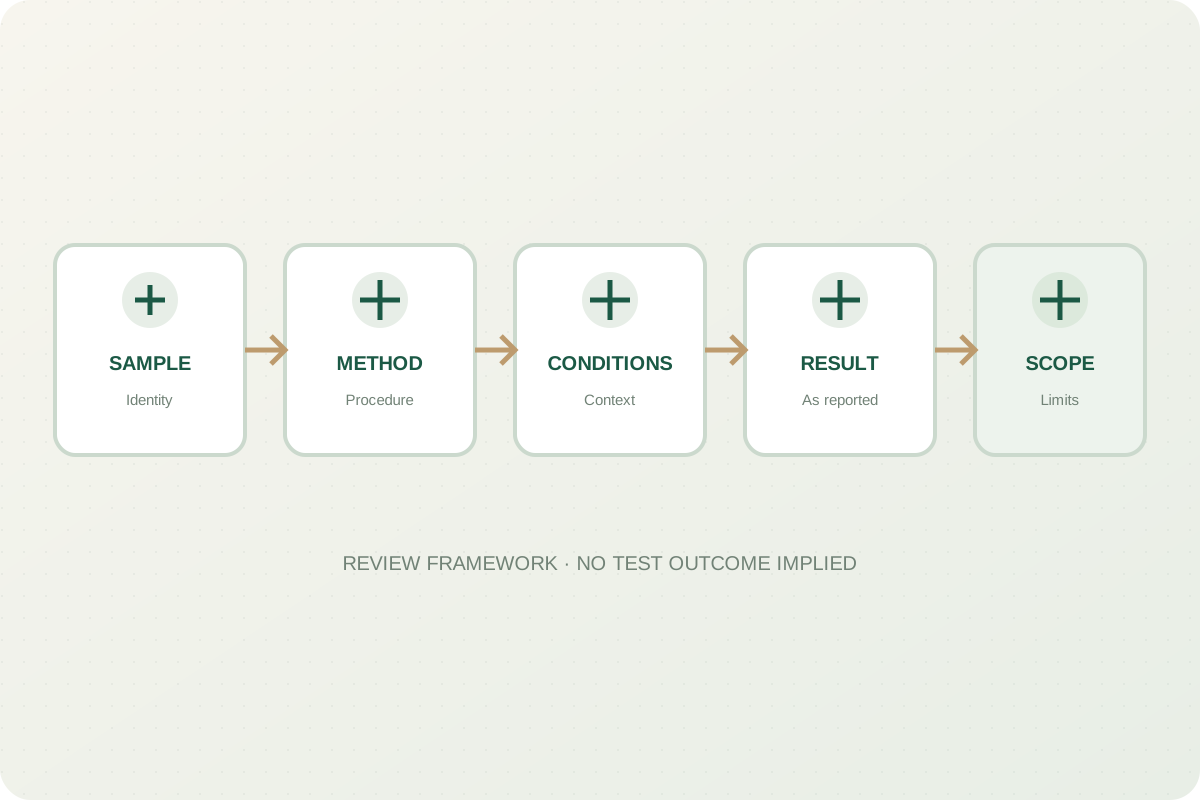
Check: fragrance identity · intended use · standard version · scopeApplies to the sample, method, conditions, result and limitations actually described. A report for another product cannot prove this product.
Check: sample identity · method · conditions · result · limitationsIdentify one thing you know, one uncertainty that affects your project, and the next product, sample or document detail to request. You can begin a discussion before every specification is final.
Unknown details are valid starting points. You can describe what is already known and identify the question that still needs review. Do not wait until every specification is final.
We know [current project reference]. We still need to verify [one key uncertainty]. The next useful step is .These examples show how different buyers can apply the same decision method. They are illustrative buying scenarios—not completed LAEYO client projects or performance case studies.

A new brand is considering a home fragrance range but has not chosen between passive and device-based formats.

A distributor has existing diffuser equipment but incomplete refill specifications.

A product team has a packaging direction but has not clarified target-market documents before sampling.
Short, practical answers to cross-topic questions. For a deeper single issue, use the corresponding published guide or Buyer FAQs page when available.
No. A guide explains selection and procurement considerations. Actual product scope, production feasibility and commercial terms are confirmed for the specific project.
Check which device, liquid medium and contacted materials the source refers to. A general buying guide cannot replace equipment-specific information or a compatibility review.
Review its actual sources, version, meaningful review date and stated market. Product category and current destination-country requirements should be checked before relying on a conclusion.
Yes. Describe the intended project, which decision remains open and how we can reach you. Specific documents, samples or commercial terms can be discussed against that scope.
These answers explain general sourcing boundaries. They are not legal advice, a product compatibility certificate or a statement that a particular record is currently available.
Tell us which fragrance product or refill direction you are considering, what decision you still need to make, and how we can reach you. Include a scent reference, device photo or target market if available; final specifications can follow.
You do not need to confirm a final device model, MOQ, packaging or full market documentation list before making an initial enquiry.
We are exploring a [fragrance liquid / existing diffuser refill / private-label product] project for [intended use]. We need help reviewing [format / medium / packaging / documents]. Our target market is [country, if known]. Please advise the next information or sampling step. You can reply via [contact method].Send Your Project Brief ↗Copying this brief does not submit an enquiry. Use the existing LAEYO Contact page for the actual request.